A Complete Guide to SUV and 4x4 Emergency Car Recovery Methods
Larger vehicles such as 4x4s and SUVs offer strength, stability, and versatility, but when they break down, assisting them becomes far more complicated than many drivers expect. Their advanced engineering, reinforced structures, and off-road capabilities introduce unique challenges during the recovery process. Whether travelling through suburban streets, rural roads, or work environments, understanding what makes emergency car recovery for these vehicles different ensures you know what to expect when help is needed.
In this guide, we explore the crucial differences between recovering a family hatchback and recovering a heavy, technology-rich vehicle.
Why 4x4s and SUVs Need Special Handling
A key reason these vehicles require specialist attention is their construction. Unlike smaller cars, 4x4s and SUVs are built to withstand demanding conditions, meaning their chassis, suspension, and drivetrain systems are more complex. Their robust build affects how they must be lifted, winched, or transported. Incorrect handling can damage essential drivetrain components or distort the suspension system.
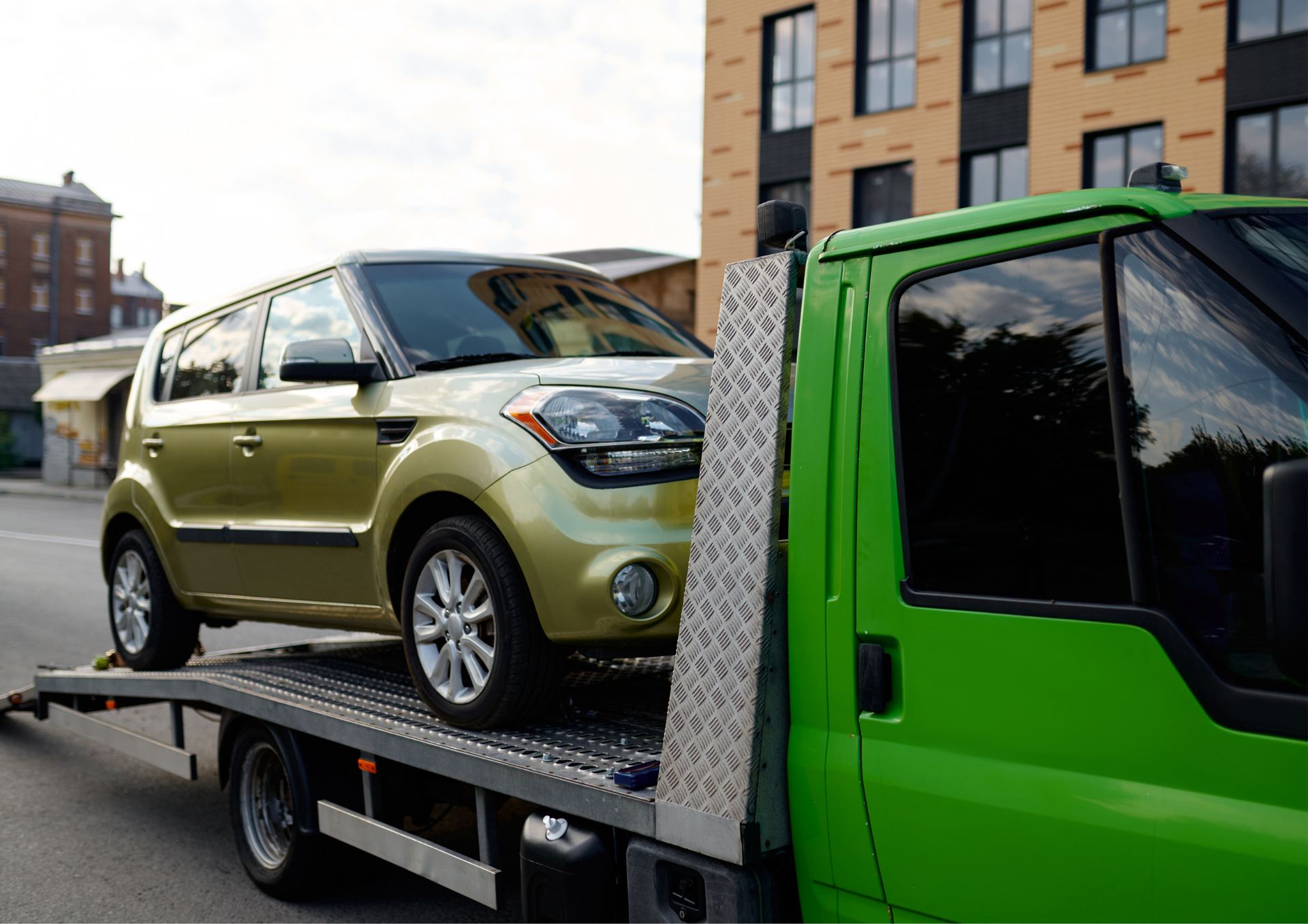
Weight also plays a crucial role. These vehicles are significantly heavier than standard family cars, placing far more strain on recovery equipment. Drivers searching for 24 hour car recovery near me often need specialists who can handle this added weight safely and efficiently. Professionals must arrive with the correct load-rated tools and a truck capable of supporting the additional mass. Their elevated ground clearance, reinforced underbody, and larger tyres also influence how operators position lifting arms or secure the vehicle onto a flatbed.
Furthermore, many SUVs are equipped with advanced technology such as electronic traction control, height-adjustable suspension, and multiple driving modes. When power is compromised during a breakdown, these systems may behave unpredictably, so operators must understand how to stabilize them before movement begins. All these factors highlight why the recovery of 4x4s and SUVs must be undertaken by trained specialists with accurate knowledge of how each system functions.
Terrain, Traction, and Real-World Challenges
Many 4x4s and SUVs are used in environments where standard recovery methods are unsuitable. Drivers often travel through fields, building sites, country lanes, gravel paths, and uneven tracks. When breakdowns occur in these places, recovery professionals must assess ground stability, incline levels, and surface conditions before initiating any movement.
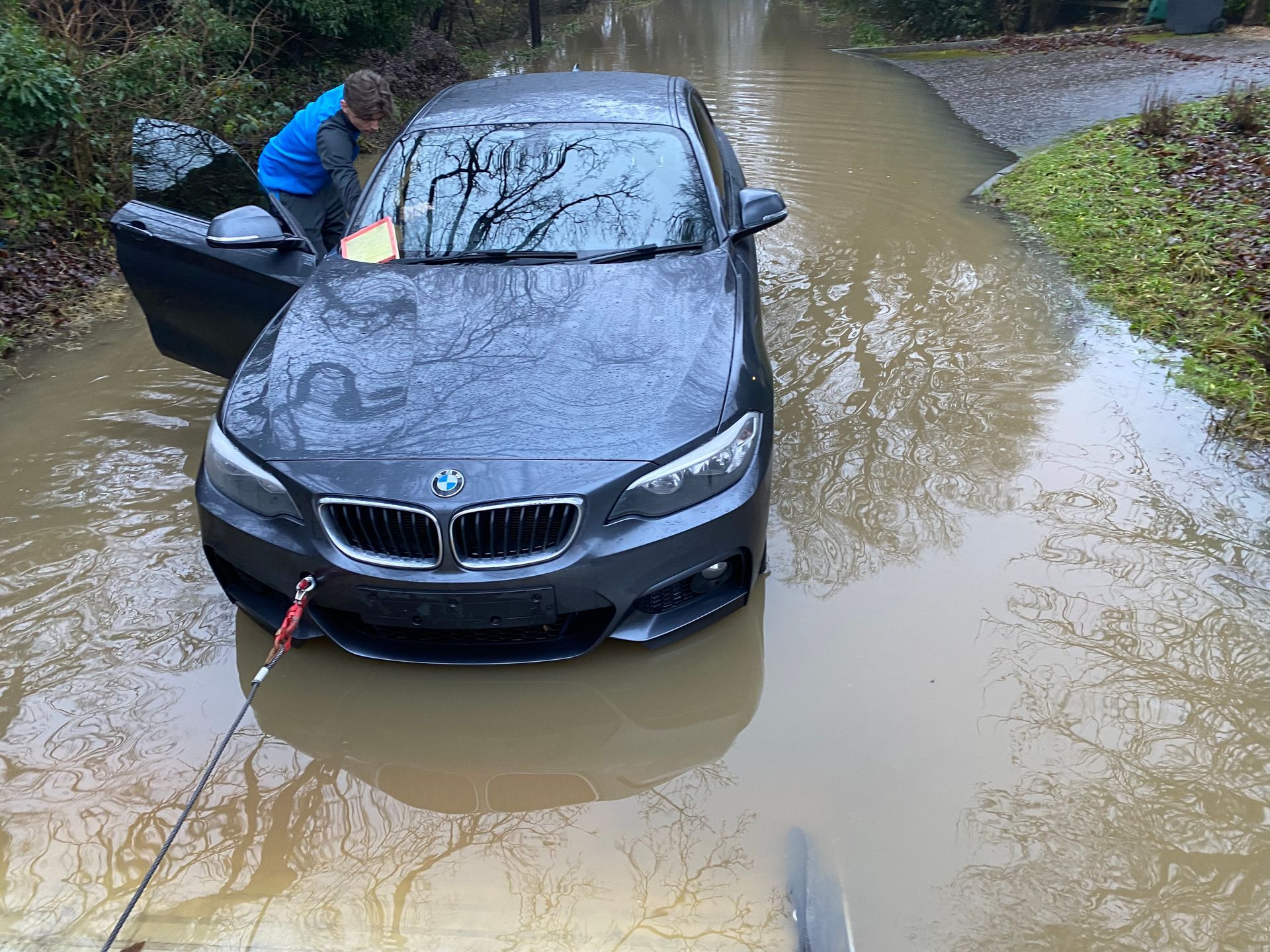
If a vehicle is stuck in mud, deep ruts, or loose terrain, traction becomes a major concern. Operators may need to reposition the recovery truck, use traction boards, or deploy specialised winching techniques to stabilise the vehicle before extraction. Winching must be controlled and gradual, ensuring the vehicle remains balanced and does not tilt dangerously due to its high centre of gravity.
Weather conditions have a significant impact. Rain, snow, or frost can limit access, reduce grip, and restrict visibility. In situations where drivers require emergency breakdown recovery, specialists must assess how these weather factors affect the environment before any movement takes place. They evaluate safe working distances, anchor points, and extraction angles to ensure controlled handling. This meticulous approach prevents unnecessary strain on mechanical components and reduces the risk of sudden, unsafe shifts during recovery.
Because large vehicles can weigh substantially more than expected, recovery teams must consider how weight distribution changes when a vehicle is tilted, loaded, or repositioned. These considerations are essential during operations involving ditches, steep banks, or soft ground.
Mechanical and Technical Complexities
The mechanical layout of 4x4s and SUVs contains features that require expert understanding. Many include multiple differentials, locking systems, low-range gear settings, and torque distribution mechanisms designed for off-road capability. During emergency car recovery, operators must ensure the wheels do not rotate inconsistently, as uneven movement can place strain on these systems or cause unwanted mechanical damage.
Suspension must be assessed carefully. Some SUVs use electronically controlled air suspension, which can deflate or shift position unexpectedly during recovery. Others have heavy-duty coil or leaf spring setups that require precise lifting points. Using the wrong lifting technique may lead to suspension misalignment or structural issues.
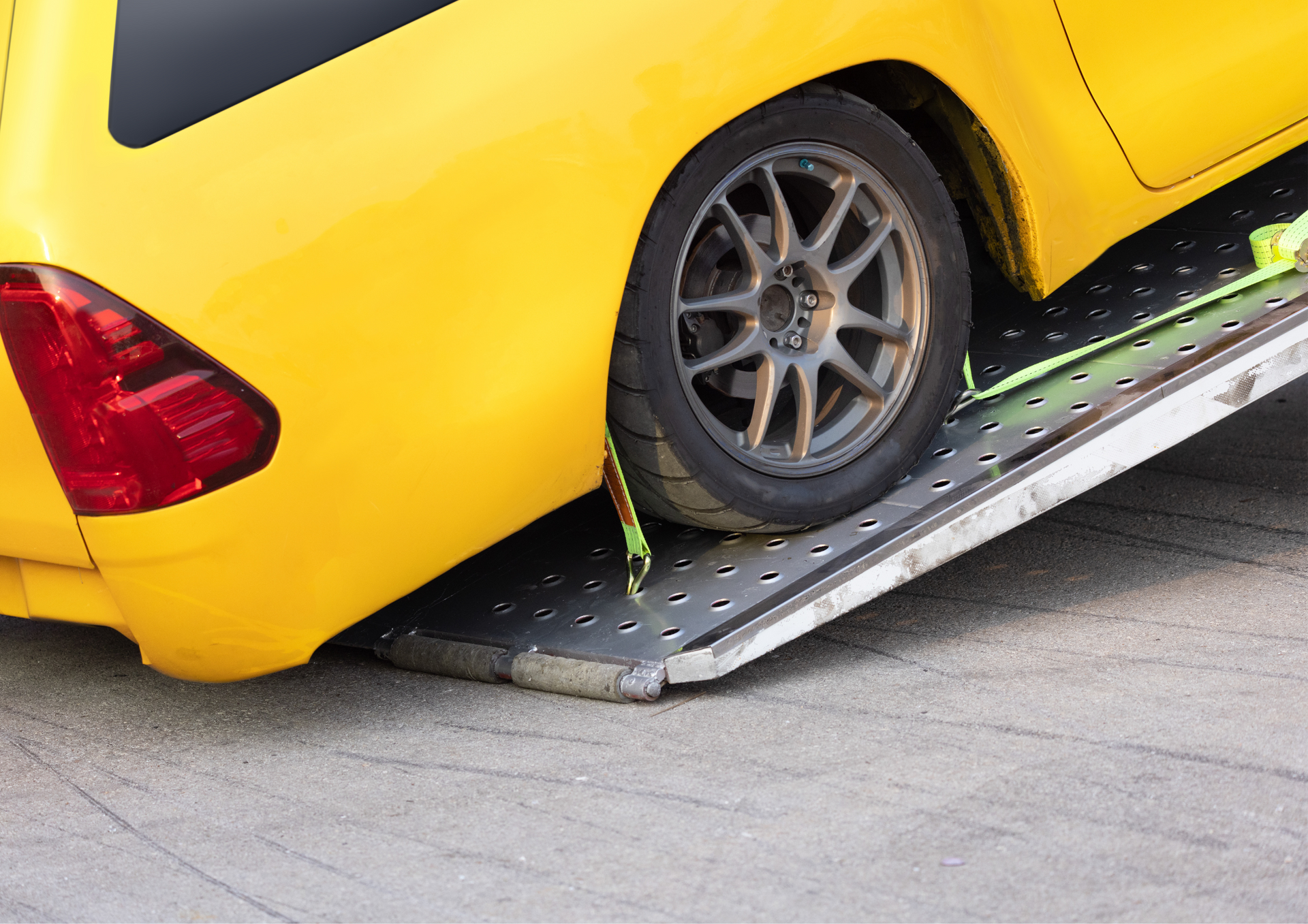
Large wheel sizes present their own challenges. Recovery professionals must use appropriately sized wheel restraints to ensure a secure hold during transportation. Incorrect restraints risk slippage or uneven load distribution. Operators must also check underbody protection plates, which may obstruct lifting points or limit the movement of equipment.
Specialist Equipment for Safe Recovery
Recovery teams dealing with heavy vehicles must use tools designed for high-capacity tasks. Heavy-duty winches, reinforced cables, and high-strength anchor systems are essential. For many drivers, understanding factors that influence emergency breakdown cover cost helps clarify why specialist equipment is required for larger vehicles. Tilt-and-slide flatbeds are often used to transport SUVs and 4x4s safely, providing a stable surface with adequate load capacity.
In rural or uneven environments, extended-reach winches, snatch blocks, and soft shackles allow operators to reposition the vehicle gradually, reducing strain on its chassis and mechanical components. Traction boards may be required to stabilise wheels, especially when a vehicle is stuck due to soft ground or loose gravel.
Because these vehicles often feature wider tyres and heavier frames, standard equipment may not be suitable. Specialist clamps, wheel chocks, and restraint systems must be used to ensure safe loading and secure fastening. Operators must also choose the correct attachment points to prevent underbody or structural damage.
High-visibility markings, stabilising pads, and lighting equipment also support safe operations at night or during reduced visibility conditions. These measures help protect both the recovery team and the stranded driver, ensuring that the process is completed smoothly and professionally.
What Drivers Should Expect During Recovery
When a breakdown occurs, understanding what to expect can provide reassurance. Upon arrival, recovery operators typically assess the environment, vehicle condition, and potential safety hazards. This assessment helps determine whether winching, lifting, or direct loading is the best approach.
Next, the recovery specialist explains the procedure clearly, ensuring the driver understands how long the process may take and why particular equipment is required. Heavy vehicles often require extra steps, such as controlled winching or repositioning before loading. This ensures the vehicle remains stable and aligned correctly with the flatbed surface.
Once the vehicle is positioned, high-strength wheel restraints secure it in place. Operators then verify that the vehicle’s weight is evenly distributed and that no components are under strain. During transport, adjustments may be made to maintain safety under varying road conditions.
Car Recovery Stevenage provides dependable support for drivers of 4x4s, SUVs, vans, and cars. Our team understands the complexities involved in handling larger and more advanced vehicles, ensuring safe, controlled, and professional assistance every time. Whether you require routine help or
emergency car recovery, we prioritise clear communication, prompt arrival, and careful assessment to offer reassurance during stressful situations. With specialist equipment and trained operators, we are prepared for both simple and challenging recoveries, helping you get moving again safely and efficiently.
Just out on X: How SUV and 4x4
emergency car recovery works – complete guide!
You might also like